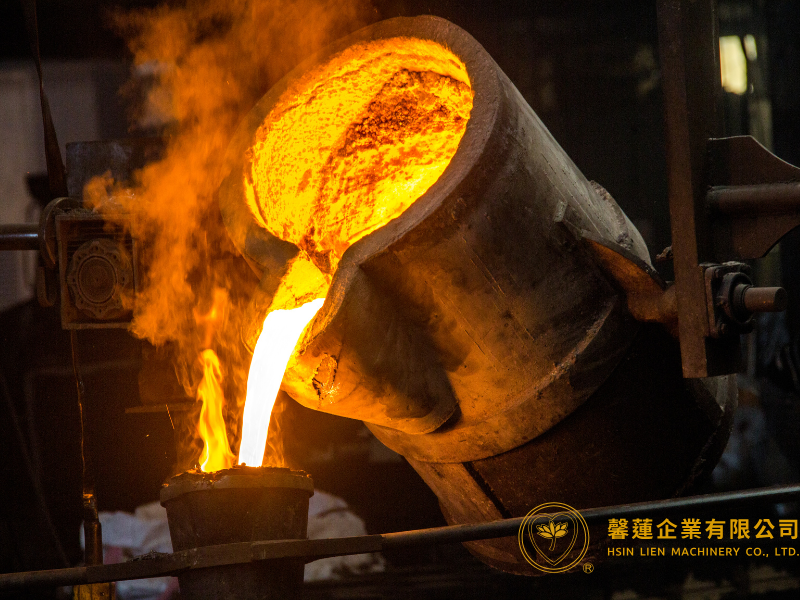
In industrial metal manufacturing, the casting process determines the quality, strength, and reliability of the final component. Two major casting methods—centrifugal casting and gravity casting—are widely used to produce metal parts of varying sizes and complexities. While both methods have their place, centrifugal casting provides distinct performance advantages that make it ideal for precision, high-strength, and corrosion-resistant applications.
This article explores the key differences between centrifugal and gravity casting, explaining how centrifugal casting achieves higher density, superior surface quality, and better structural integrity—especially for copper and bronze alloy components used in industrial and marine systems.